
What is the difference between SVT and a panic attack?
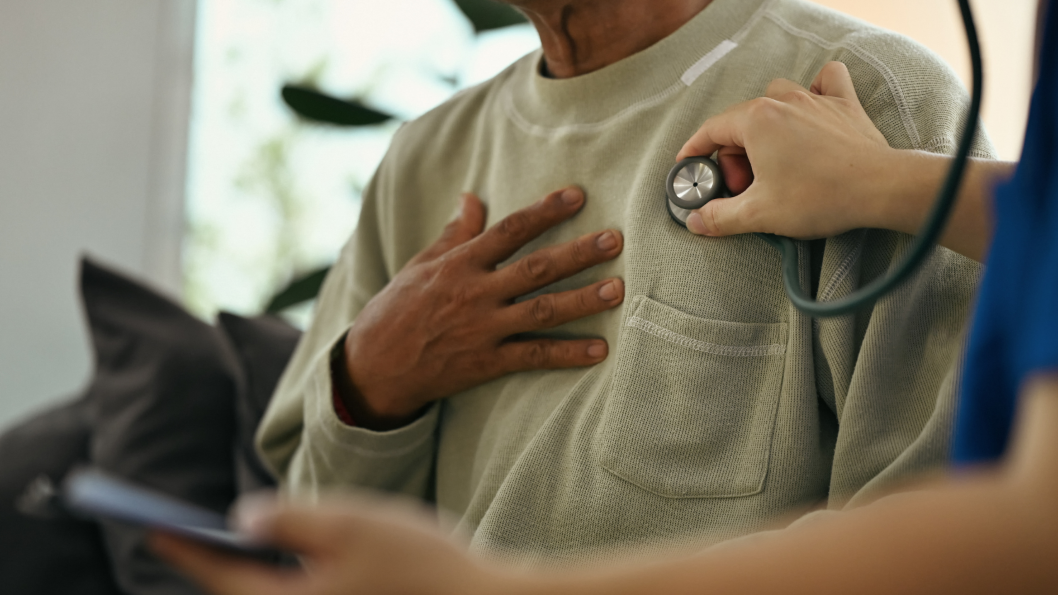
A sudden racing heart, a tight chest and a wave of fear can be symptomatic of either a panic attack or a heart rhythm problem called SVT, and the two are very easily mistaken for one another. The distinction is important, as the underlying cause is entirely different in each case. A panic attack is a psychological response driven by anxiety, whereas SVT is a physical fault in the heart's electrical system. This can have serious consequences, as people with SVT are sometimes told they have anxiety for years before the true cause is identified, delaying treatment that could resolve it.
What SVT is
Supraventricular tachycardia, usually shortened to SVT, is a fast heart rhythm that comes from the upper chambers of the heart. During an episode the heart's normal timekeeper is overridden by faster electrical impulses, so the heart beats very quickly in a regular rhythm, usually between 140 and 180 beats a minute, and sometimes as high as 250. The episodes tend to begin and end abruptly, and they can last anywhere from seconds to hours, as the NHS describes. For most people SVT is not dangerous, though it can be distressing, and it is very treatable.
What a panic attack is
A panic attack is a sudden episode of intense fear, along with physical sensations such as a pounding heart, breathlessness, sweating and chest discomfort. According to the Mental Health Foundation, the symptoms usually reach their peak within about ten minutes and then start to fade, and most attacks last between five and twenty minutes. Although a panic attack can be extremely frightening, it is not physically dangerous. Alongside the racing heart, people often notice tingling in the hands or a feeling of detachment from their surroundings, along with a fear of losing control or of dying.
Why the two are so easily confused
Both conditions produce a racing heart, chest tightness, breathlessness and a strong sense of alarm, which is why they are mistaken for one another so often. There is also a physical overlap, as an SVT episode releases a surge of adrenaline, and that surge produces anxiety on top of the abnormal heart rhythm. Someone can therefore experience a heart rhythm problem and a feeling of panic at the same time, which makes the two even more difficult to separate. SVT is frequently first diagnosed as a panic attack for exactly these reasons, a mix-up well recognised in cardiology.
The practical differences
A few features tend to separate the two in everyday experience, though none is foolproof on its own.
The onset is often the clearest clue of all. SVT usually switches on and off suddenly, going from a normal heartbeat to a very fast one in an instant, whereas a panic attack tends to build over a few minutes as fear mounts. The heart rate differs too, as SVT drives a very fast and steady rhythm, while the racing of a panic attack is usually less extreme. What stops an episode also differs, as SVT often responds to vagal manoeuvres, which are simple physical actions such as bearing down or splashing the face with cold water, while a panic attack tends to ease with slow breathing and other calming techniques. The extra symptoms are telling as well, since tingling and an overwhelming fear of dying point more towards panic.
The test that confirms the diagnosis
The definitive way to tell SVT from a panic attack is to record the heart's electrical activity during an episode. An ECG taken while your heart is racing shows immediately whether the rhythm is a true SVT or a normal heart simply beating fast with adrenaline, which is the signature of anxiety. As SVT starts and stops without warning, a single clinic ECG will often fail to capture it, so a portable monitor worn for days or weeks, or a longer-term recorder, may be arranged to record an episode while it is happening. A trace from a smartwatch or personal ECG device recorded during an attack can be very useful here.
Why the correct diagnosis is so important
The distinction changes everything about how it is treated. A panic attack is treated with psychological therapies and sometimes medication, and these help enormously when panic is the true cause. SVT, on the other hand, is an electrical problem, and for many people it can be cured with catheter ablation, a keyhole procedure that corrects the faulty circuit at its source. Being wrongly labelled with anxiety can mean years of episodes that never respond to anxiety treatment, so pinning down the true cause is well worth the effort.
Speak to Dr Eysenck
If your episodes have been attributed to anxiety but the explanation has never quite felt right, recording your heart rhythm during an episode can reveal whether SVT is the underlying cause. Get in touch to arrange a consultation with Dr Eysenck at one of his clinics across London and Kent.
Frequently asked questions
Can I have both SVT and anxiety?
Yes, and this is part of what makes the two so difficult to separate. An SVT episode can set off true anxiety through the adrenaline it releases, and living with unpredictable episodes can understandably create anticipatory worry. Recording the rhythm during an episode is what allows a doctor to see whether SVT is present underneath the anxiety.
Can I stop an SVT episode myself?
Often, yes, and many people are taught vagal manoeuvres, such as the Valsalva technique of bearing down as if straining, or splashing the face with cold water, which can stop an episode by stimulating a nerve that slows the heart. If an episode does not settle or lasts longer than usual, or if it comes with chest pain or feeling faint, treat it as urgent and call 999.
Do I need a GP referral to see Dr Eysenck?
Dr Eysenck welcomes self-referring patients as well as referrals from GPs and hospital doctors. Bringing any recordings from a smartwatch or monitor to your appointment can help a great deal with reaching a diagnosis.